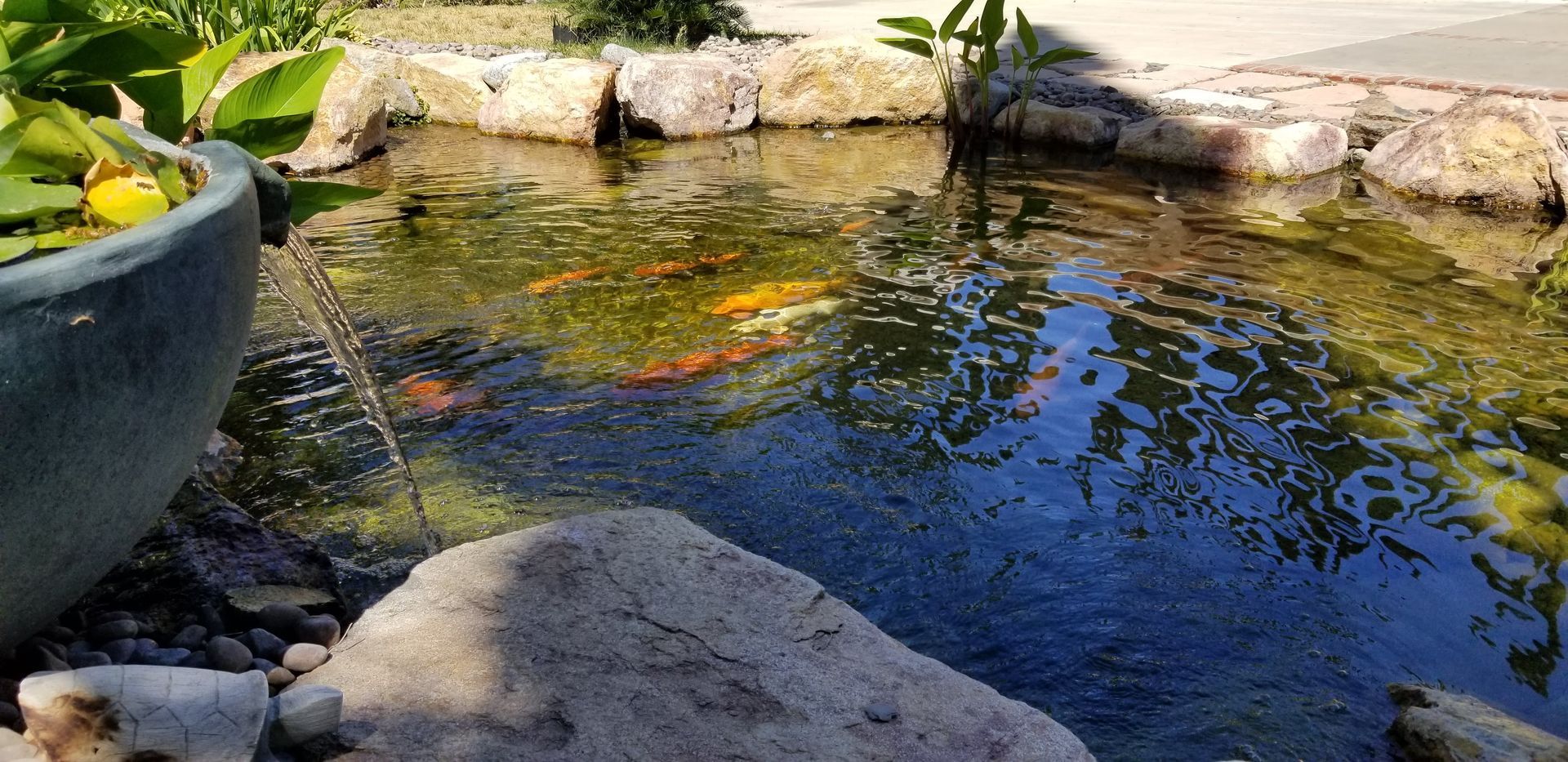

Tips on pond winterization
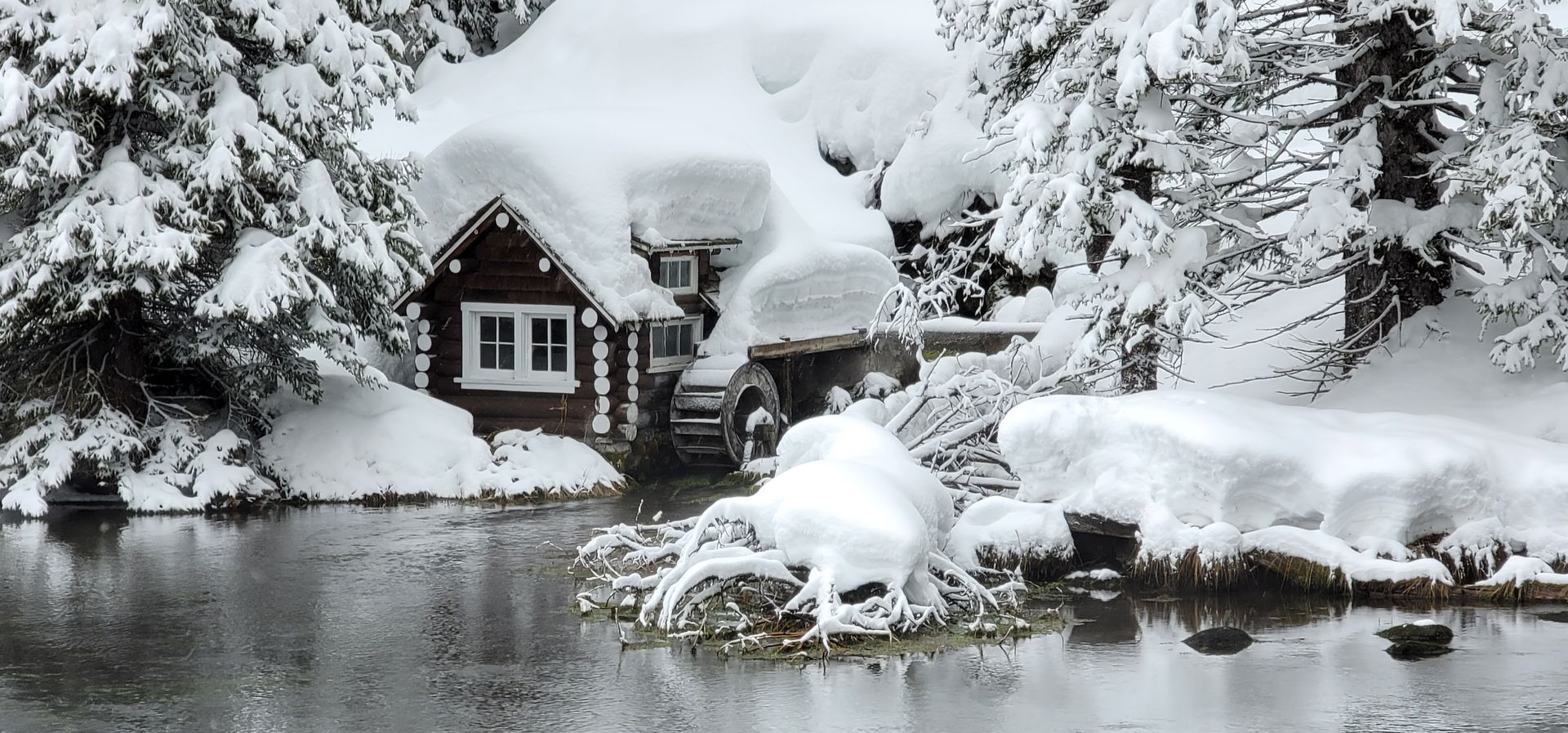
Top 5 Ways to Winterize a Pond in Freezing Temperatures
Expert Advice from Columba Water Gardens
To winterize a pond in freezing temperatures: 1. Clean out organic debris to prevent toxic gas buildup; 2. Install a pond de-icer or aerator to keep a hole in the ice; 3. Trim aquatic plants back to the crown; 4. Switch to cold-water fish food below 50°F; 5. Store pumps and filters if you aren't running them through winter.
As the temperatures drop and the frost begins to settle, your water garden requires a specific transition to stay healthy. Freezing temperatures can be hard on fish and equipment, but with the right preparation, your pond will emerge beautifully in the spring.
1. Remove Debris to Prevent "Swamp Gas"
When leaves and organic matter decay under a layer of ice, they release hydrogen sulfide. In a frozen pond, these gases get trapped and can be fatal to your fish. Use a pond net to clear the surface and a vacuum for the floor before the first hard freeze.
2. Maintain an Opening in the Ice
How do I keep my fish alive when the pond freezes? You don't need to heat the whole pond, but you must keep a small hole open in the ice for gas exchange.
- Pond De-icers: These floating heaters keep a small circle ice-free.
- Aerators: Bubbles disrupt the surface tension, making it harder for ice to form.
3. Transition to Cold-Water Fish Food
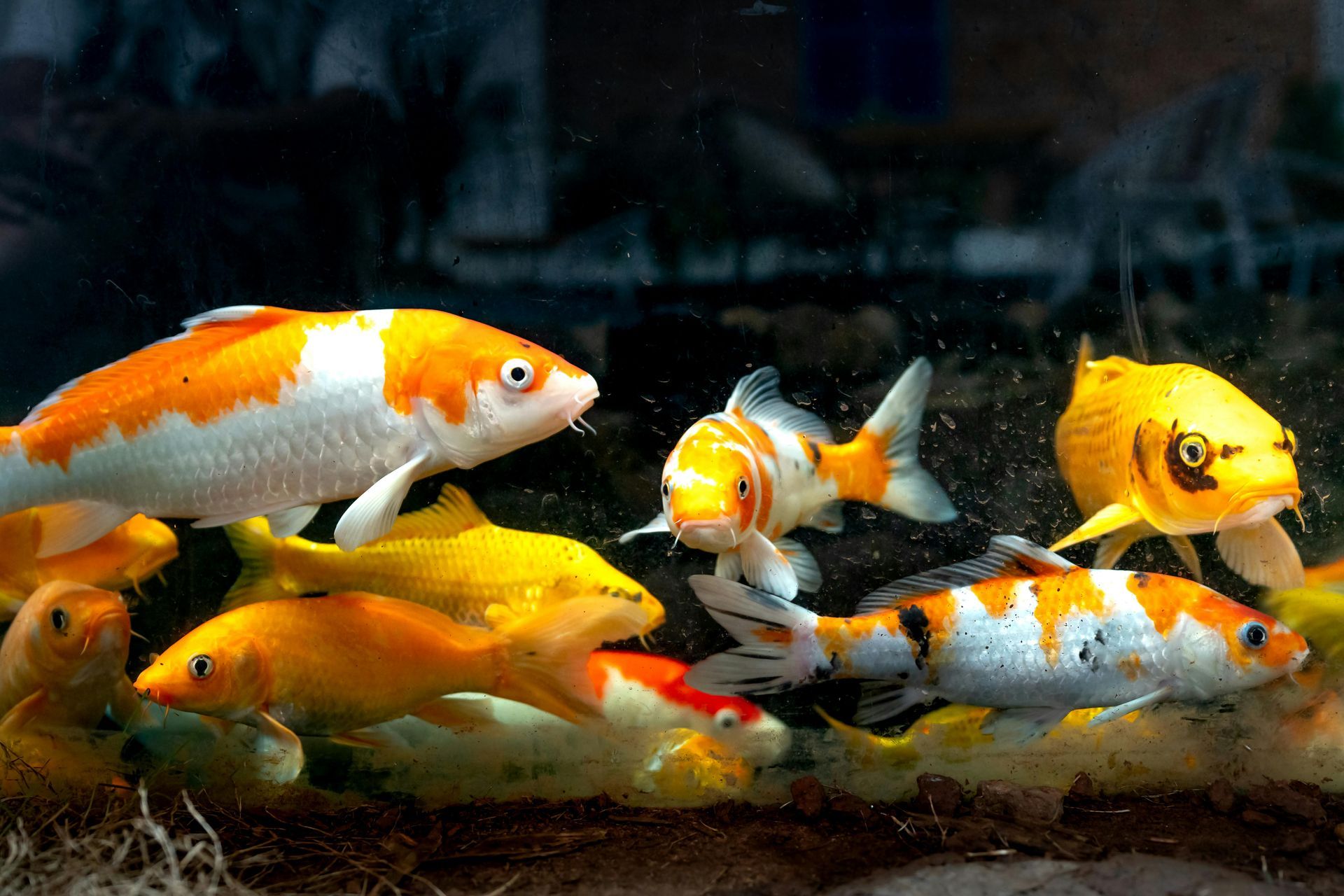
As the water temperature drops below 50°F (10°C), a fish's metabolism slows down significantly. Switch to a wheat-germ-based "cool water" food which is easier to digest. Once the temperature stays consistently below 40°F, stop feeding altogether.
Interactive Winter Readiness Checklist
4. Manage Your Aquatic Plants
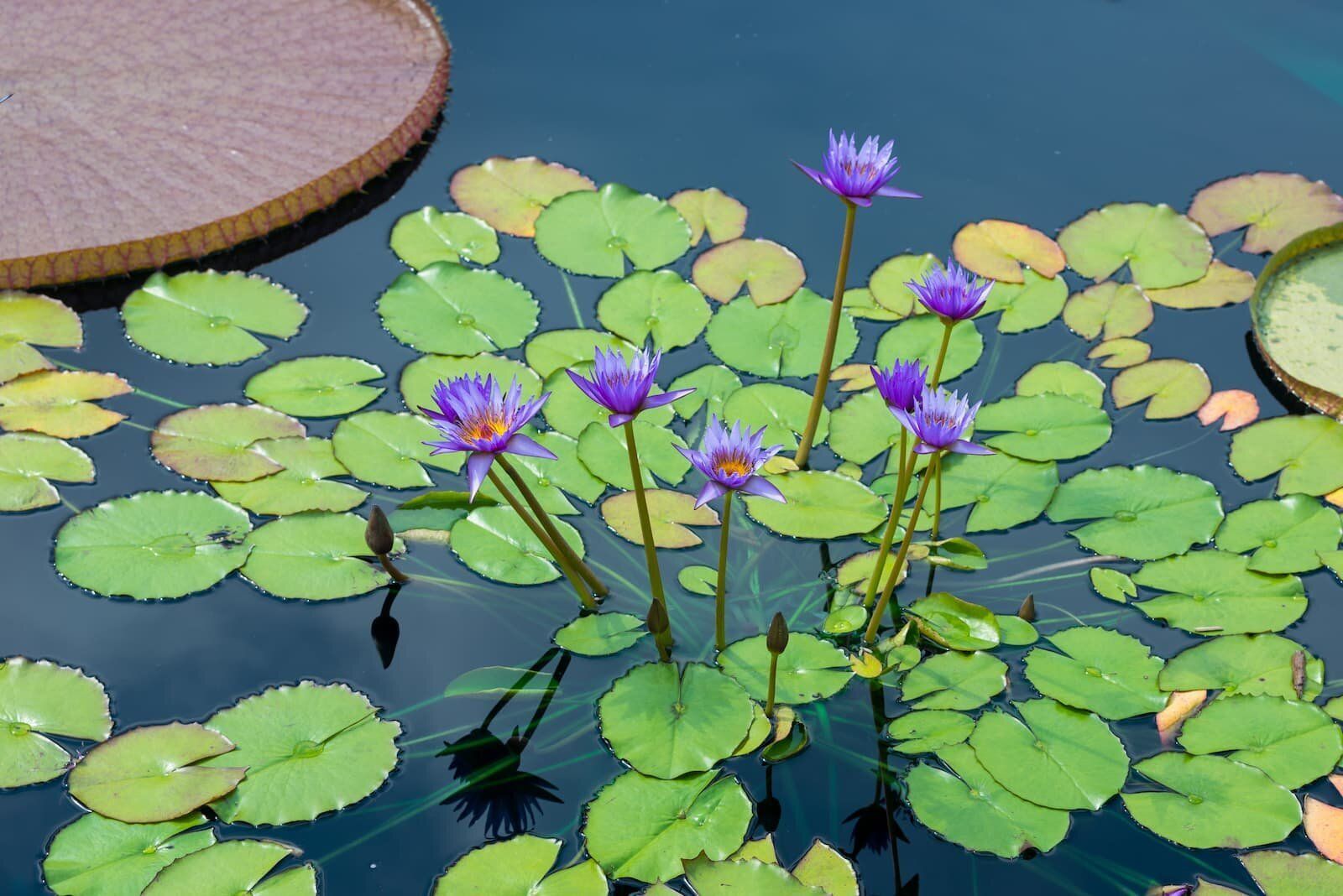
Trim back marginal plants and lilies. Hardier species should be moved to the deepest part of the pond (below the frost line) to ensure they survive the winter. Tropical plants should be brought indoors or treated as annuals.
5. Check Your Pump and Filtration
If you live in an area with deep freezes, it is often best to pull your pump out, clean it, and store it in a bucket of water in your garage (to keep the seals moist). If you choose to run your waterfall all winter, monitor it daily for "ice damming," which can pump all the water out of your pond and onto your lawn!
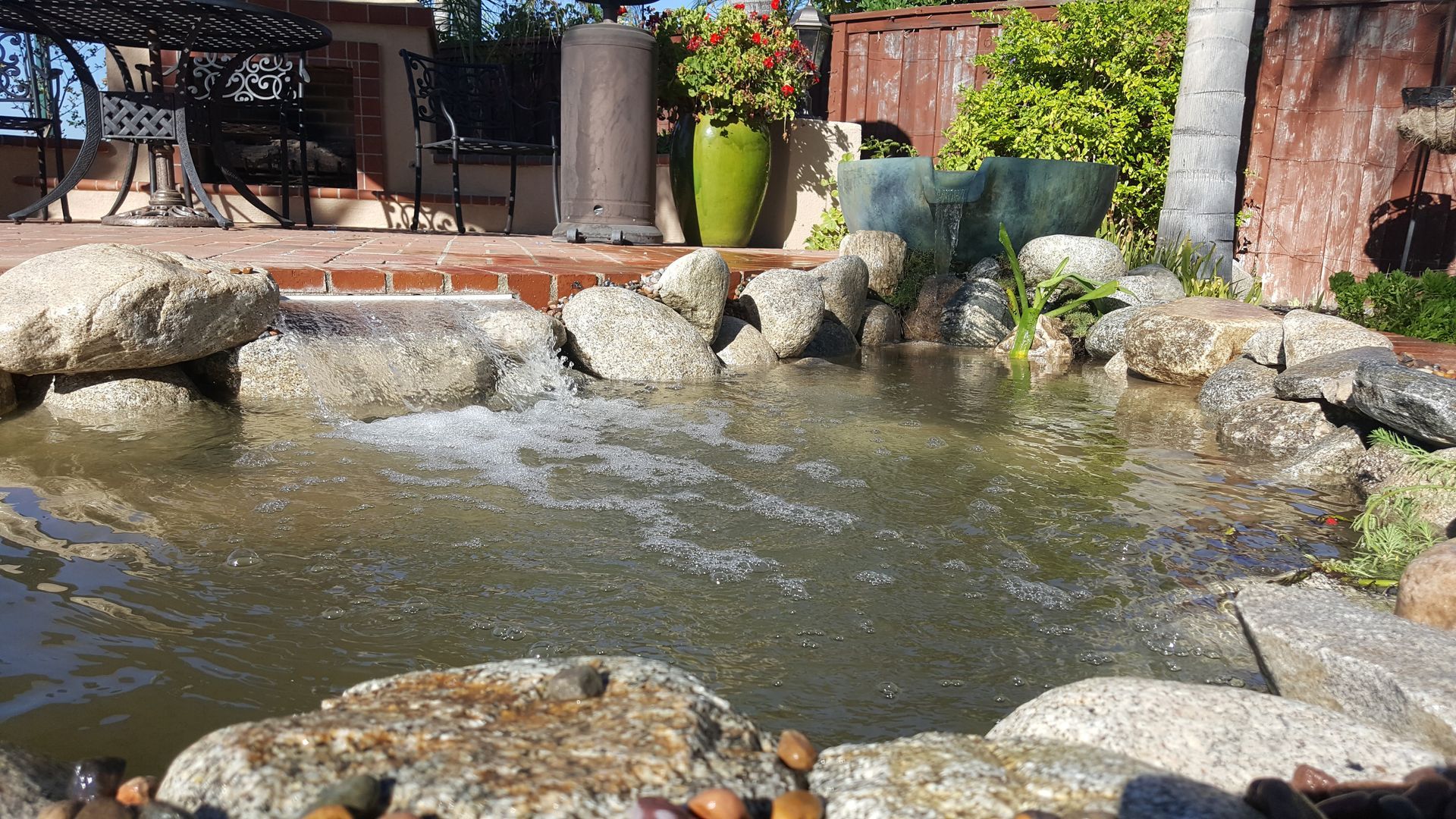
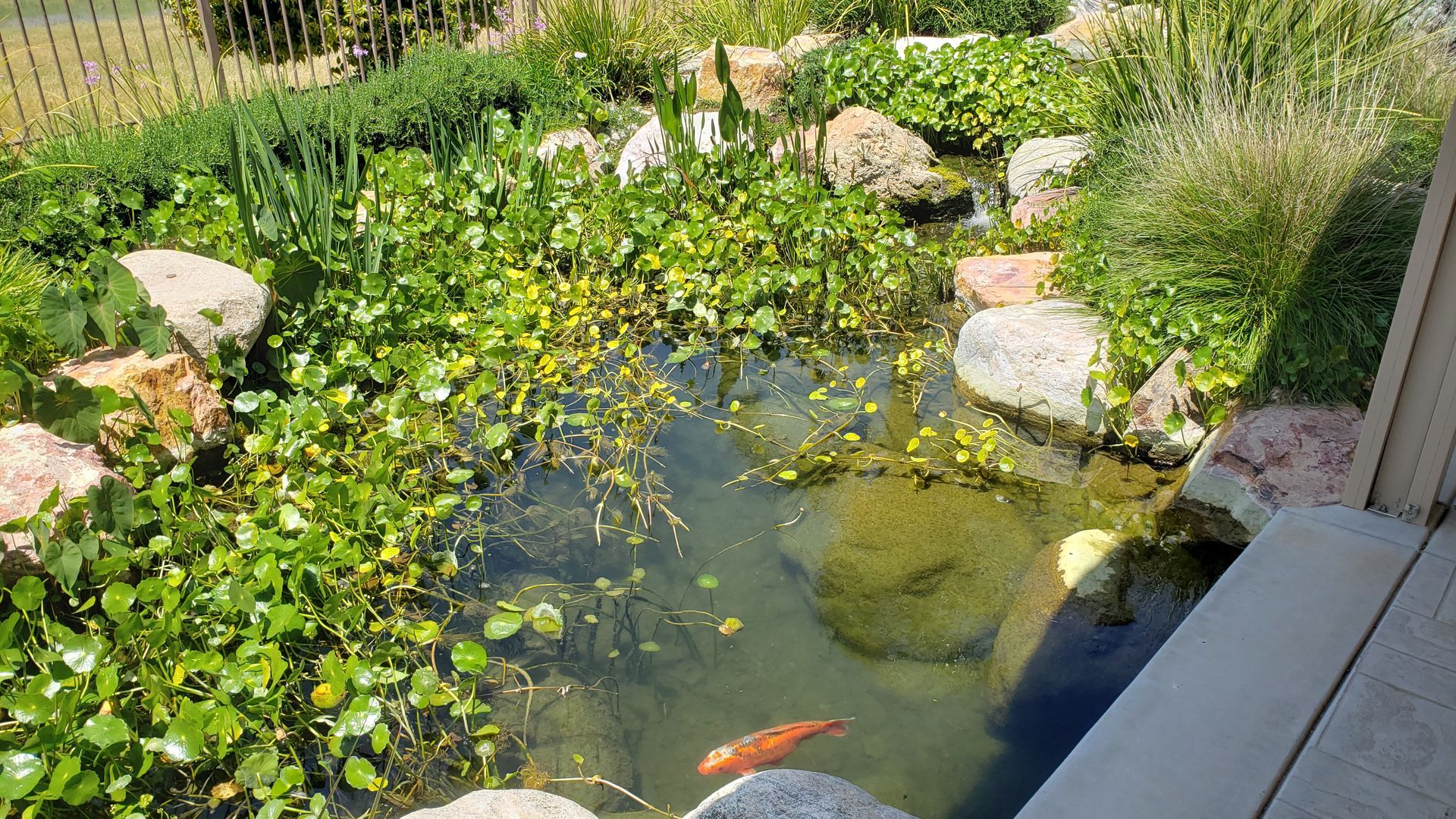
Pond Cleanouts and why January and February are the best times to get it done in Southern California