
FAQ Resource Center and Helpful Blogs
Frequently Asked Questions: Pond & Water Feature Care in the Inland Empire, CA
1. Why is my Inland Empire pond losing so much water? Is it a leak?
The primary cause of water loss in Riverside and San Bernardino County ponds is intense evaporation, especially during summer heatwaves and periods of low humidity. Water loss of 1 to 2 inches per day is normal for a running waterfall/stream in the Inland Empire. If you are losing more than 3 inches per day, check for leaks—most occur where the liner meets the edge of the stream or waterfall, not in the main basin.
2. How do I clear up green water in my CA water feature?
Green water is caused by single-celled algae thriving on high nutrient levels and the abundant sunlight we get in Southern California. The key is to reduce sun exposure by adding aquatic plants (like water lilies) for shade, and increasing beneficial bacteria dosing immediately to consume excess nutrients. UV sterilizers are also highly effective at eliminating free-floating algae quickly.
3. How can I keep my Koi fish healthy during extreme Inland Empire heat?
High temperatures rapidly reduce the dissolved oxygen (DO) content in pond water, severely stressing Koi and Goldfish. You must maintain constant, robust aeration (via an aerator, fountain, or high-flow waterfall). Ensure your pond is at least 3 feet deep for thermal stability, and avoid feeding heavily when water temperatures exceed 80°F.
4. How often should I schedule pond maintenance in Riverside County?
We recommend weekly maintenance (skimming debris, emptying the skimmer). A full pond clean-out is necessary once per year, typically in late winter or early spring (February-March) before the intense heat sets in. For optimal water quality in the San Bernardino summer, monthly water testing is also advisable.
5. What is the best method for controlling string algae on rocks and waterfalls?
String algae thrives in the constantly moving, well-oxygenated water of waterfalls. Use a fish-safe pond treatment specifically formulated for string algae, followed by manual removal. The long-term solution involves boosting the beneficial bacteria in your biological filter to outcompete the algae for nutrients.
7. My yard has palms/evergreens—do I still need to worry about debris?
Yes. While you may avoid a massive fall leaf drop, debris like pine needles, palm fronds, dust, and decomposed flower petals are constant sources of nutrient pollution. Ensure your skimmer is running efficiently and empty the debris basket daily to keep nutrients out of the water column.
7. Do I need to winterize my pond in Southern California?
Full pond winterization (shutting down pumps) is generally not necessary in Southern California. Keep your pumps running and continue aeration to maintain a healthy ecosystem. Switch to a cold-weather fish food when water temperatures dip below 55°F, and reduce feeding frequency.
8. How do I calculate the right size pump for my waterfall?
To determine the right size, you need the pond's volume, the height of the waterfall (vertical lift), and the length of the plumbing (friction loss). Most systems should circulate the pond’s entire volume at least once per hour. High-efficiency, energy-saving pond pumps are recommended in areas with high energy costs like California.
9. How often should I test the water quality in my pond?
We recommend testing the water bi-weekly during the peak summer (May–September) and monthly otherwise. Focus on Ammonia, Nitrite, Nitrate, and pH. High alkalinity (high pH) is common in Inland Empire tap water; rapid changes can be fatal to fish.
10. Are Koi or Goldfish suitable for the Inland Empire climate?
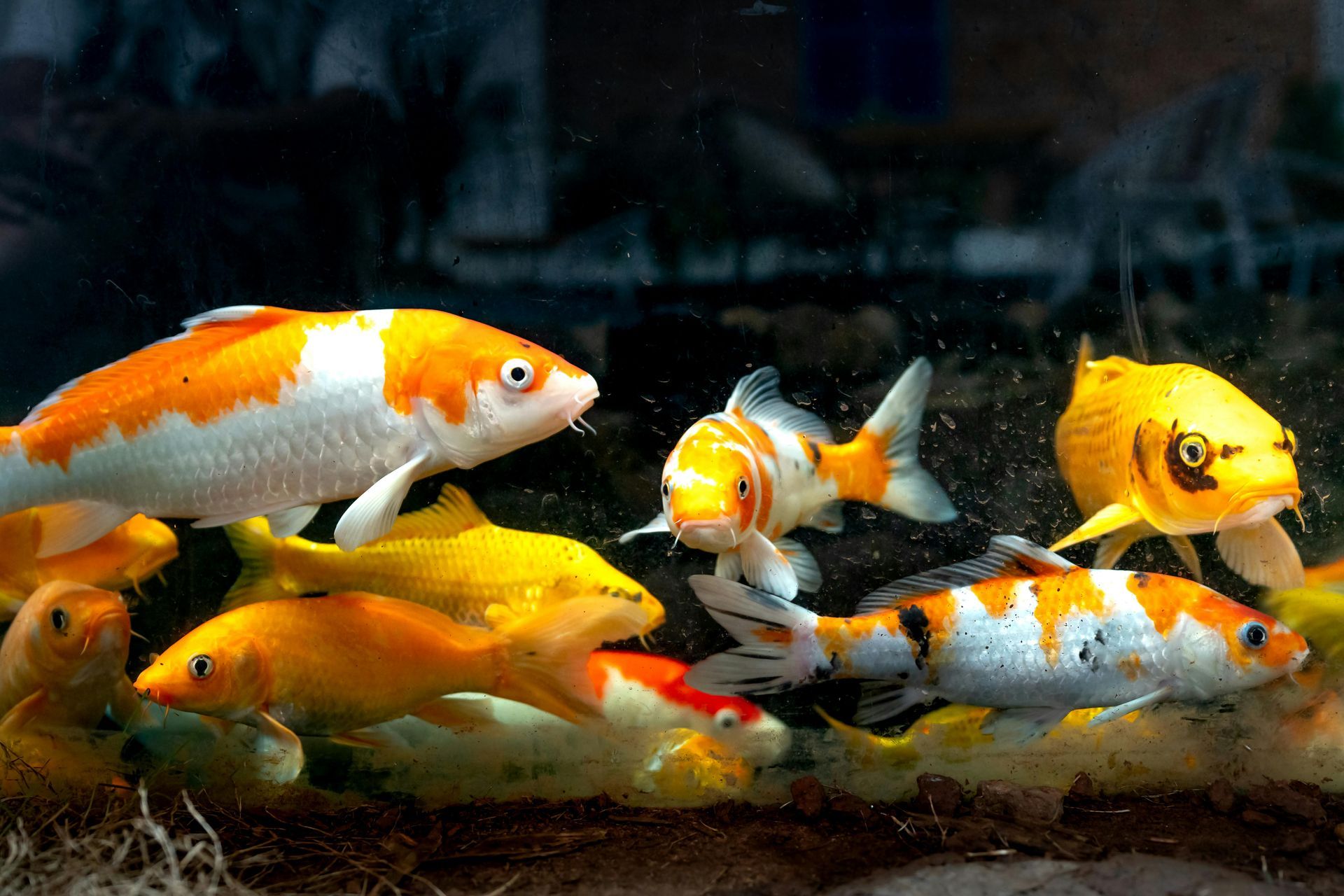
Yes, Koi and Goldfish thrive here, provided you compensate for the extreme summer heat by ensuring deep water (3ft+) and continuous, powerful aeration. Their metabolisms run high in warm water, demanding clean, well-oxygenated conditions.
11. Why does my pond sometimes smell like sulfur or rotten eggs?
This smell indicates anaerobic decomposition (lack of oxygen) occurring in the bottom sludge (muck). This releases hydrogen sulfide gas. The solution is immediate sludge removal, increasing aeration, and treating with muck-reducing beneficial bacteria.
12. When adding tap water to my pond, do I need to treat it?
Absolutely. Southern California municipal water contains chlorine and often chloramines, which are toxic to fish and destroy the beneficial bacteria essential for your pond’s natural filtration. Always use a quality dechlorinator/water conditioner any time you add more than 10-15% of the pond's volume.
13. How can I prevent mosquitoes from breeding in my backyard water feature?
Mosquitoes breed only in stagnant water. Ensure all areas of your pond or feature have constant movement and circulation. If you have areas of still water, use mosquito dunks (which contain Bti and are fish/pet safe) monthly. Healthy fish, such as Koi, also readily consume mosquito larvae.
14. What are the signs my biological filter isn't working?
The key sign is a rapid rise in toxic Ammonia or Nitrite levels, usually leading to green or cloudy water and stressed fish. This indicates the beneficial bacteria colony is compromised. Stop cleaning the filter media, increase aeration, and add a heavy dose of liquid beneficial bacteria to reestablish the colony.
15. What are the best aquatic plants for the California desert climate?
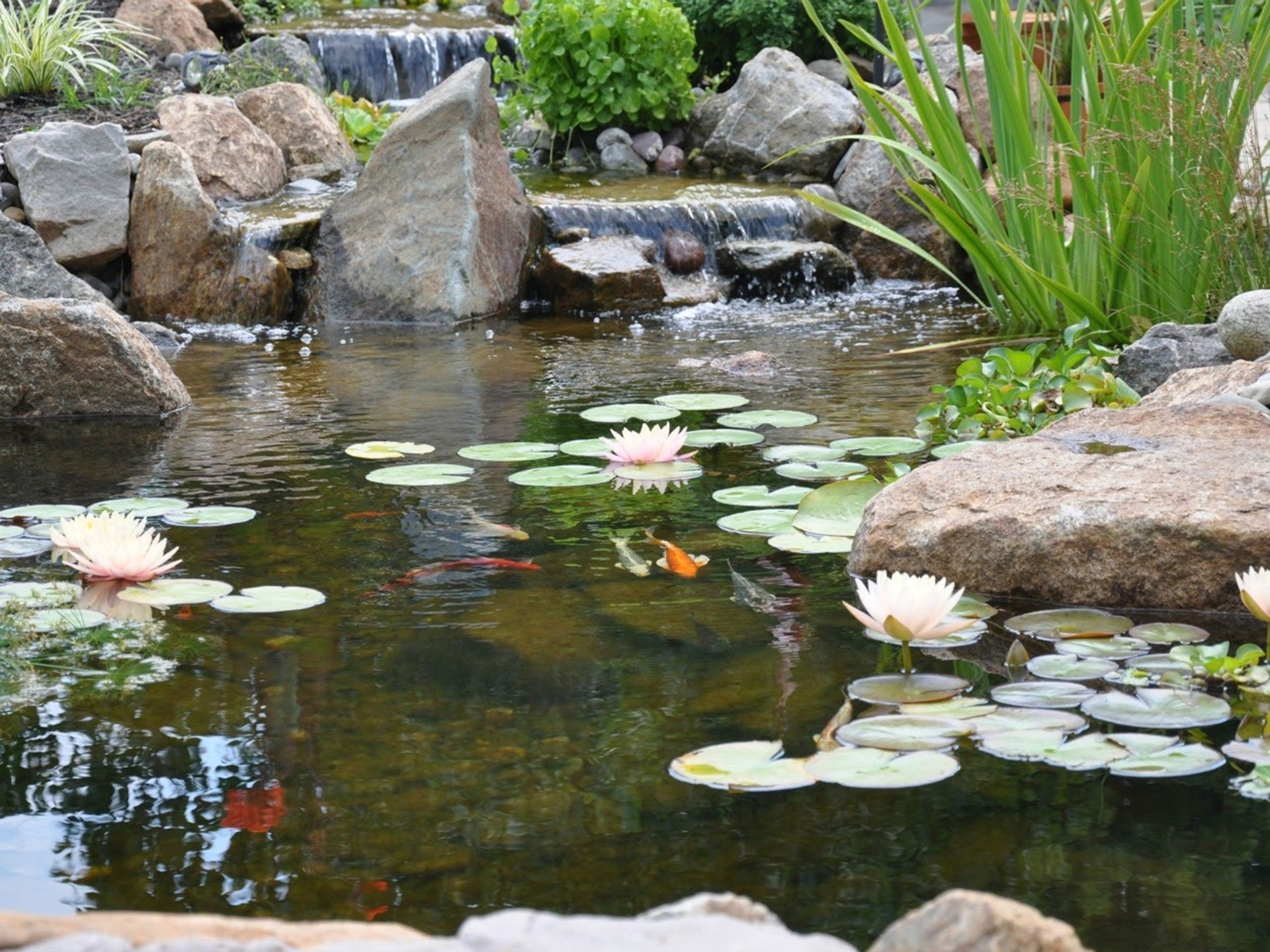
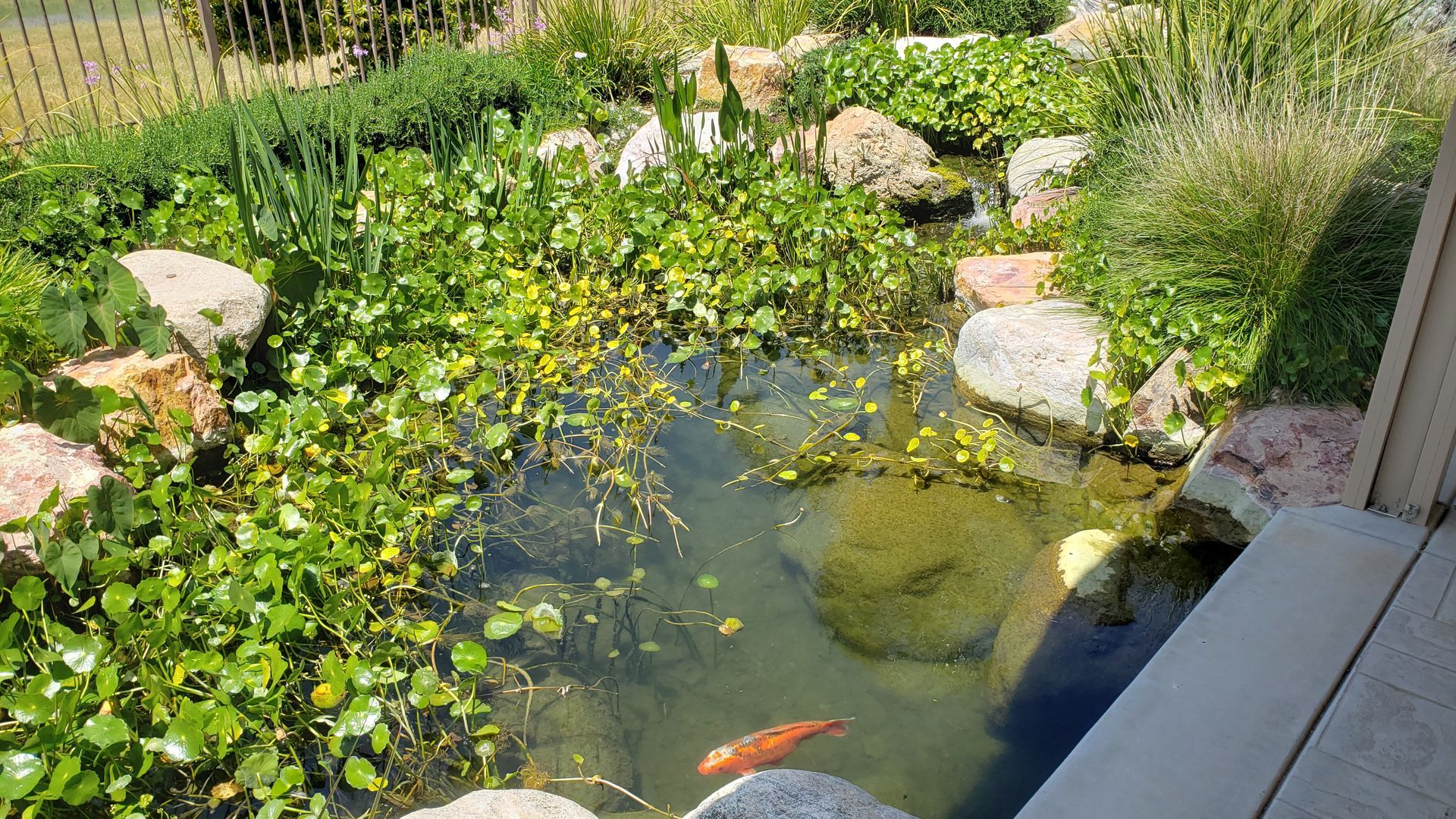
Plants like Water Lilies (Hardy and Tropical varieties), Iris, Horsetail, and Water Hyacinths are excellent choices. They provide critical shade and nutrient filtration, which is vital for combating algae growth and heat stress in the Inland Empire.
16. Should I use chemical treatments in a natural pond?
Chemicals should be a last resort. We prioritize natural pond management using plants, rock/gravel, filtration, and beneficial bacteria. If you must use an algaecide for a severe outbreak, follow the dosage instructions precisely and only use products labeled as fish and plant safe.
17. How often should I feed my fish during the summer months?
Fish metabolisms are highest in the summer heat. You can feed 2-3 times daily, but *only* feed what they can completely consume in 3-5 minutes. Overfeeding is the quickest way to pollute your pond and fuel algae growth. Reduce feeding immediately if water quality tests show spikes in Ammonia or Nitrite.
18. How do I maintain my skimmer and biofalls filters?
Clean the skimmer basket daily or every few days. Clean the biofalls filter mats only when the flow slows significantly, using pond water, not tap water, to preserve the beneficial bacteria colony. A clogged skimmer can lead to pump failure and poor circulation.
19. How does dust and sediment from nearby hills/desert affect my pond?
Wind-blown dust and sediment are significant issues in Riverside and San Bernardino. This sediment settles as muck and increases nutrient load. Ensure your skimmer is working optimally and use a good pond clarification treatment after dusty days. Consider landscape design that minimizes direct wind exposure.
20. Should I hire a professional for pond maintenance in the Inland Empire?
For the demanding climate of the Inland Empire, professional maintenance ensures all systems are running at peak efficiency to combat high heat and water loss. A service plan from a certified expert covers seasonal clean-outs, necessary repairs, and proactive water quality management, saving you time and protecting your valuable fish and features.
Have more questions about your Riverside County or San Bernardino County water garden? Contact the experts at Columbia Water Gardens today!
Pond Cleanouts and why January and February are the best times to get it done in Southern California