
Natural Swimming Pond Design Solutions in Riverside, CA

Columbia Water Gardens • December 1, 2025

Natural Swimming Pond Design Solutions in Riverside, CA

Natural swimming pond design in Riverside, CA combines recreational swimming areas with biological filtration and aquatic plant ecosystems, offering a chemical-free alternative to traditional pools for environmentally conscious homeowners.

How Do Natural Swimming Ponds Work?

Natural swimming ponds use separate swimming and regeneration zones where aquatic plants and beneficial bacteria filter water without chlorine or harsh chemicals.

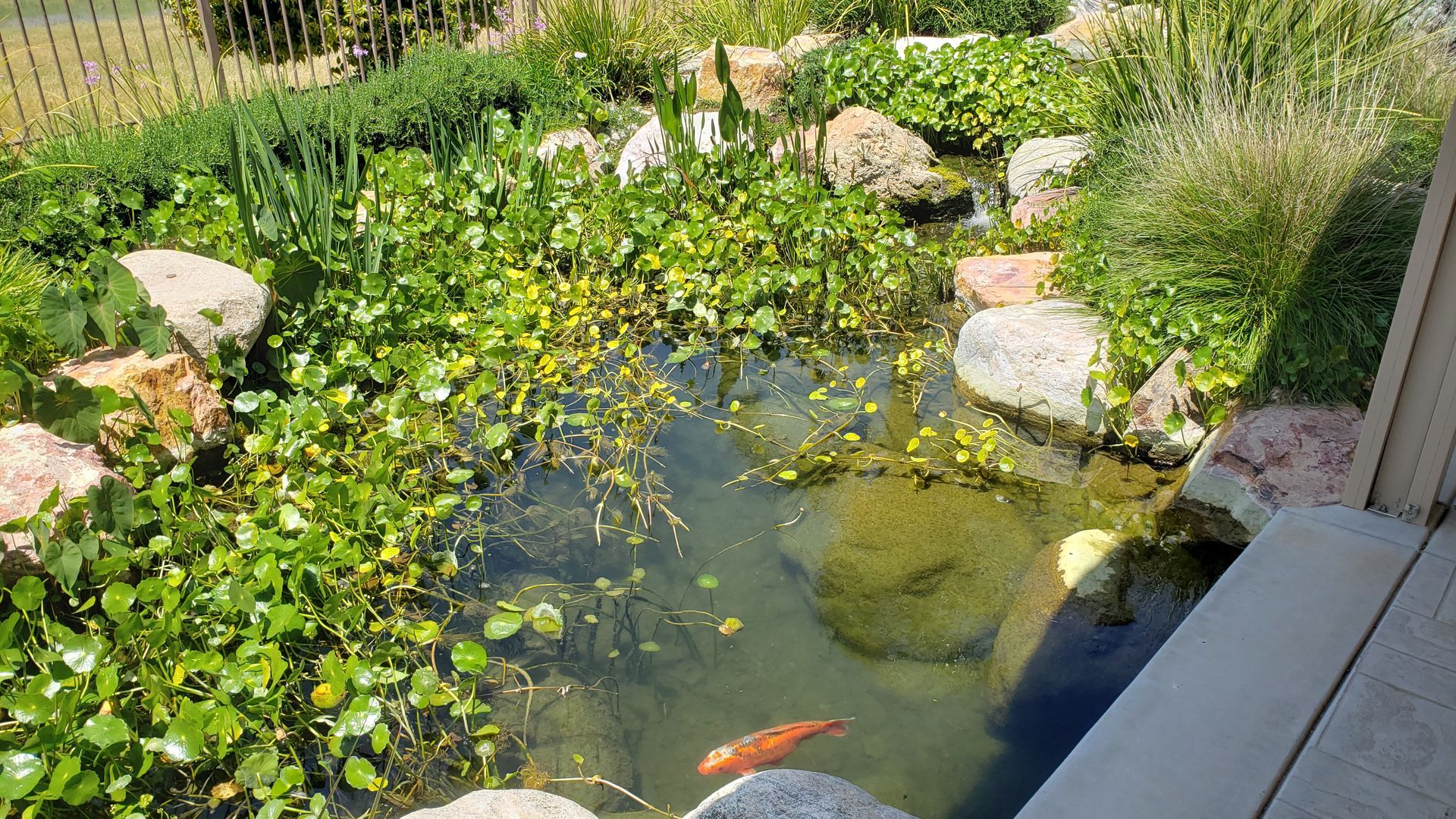
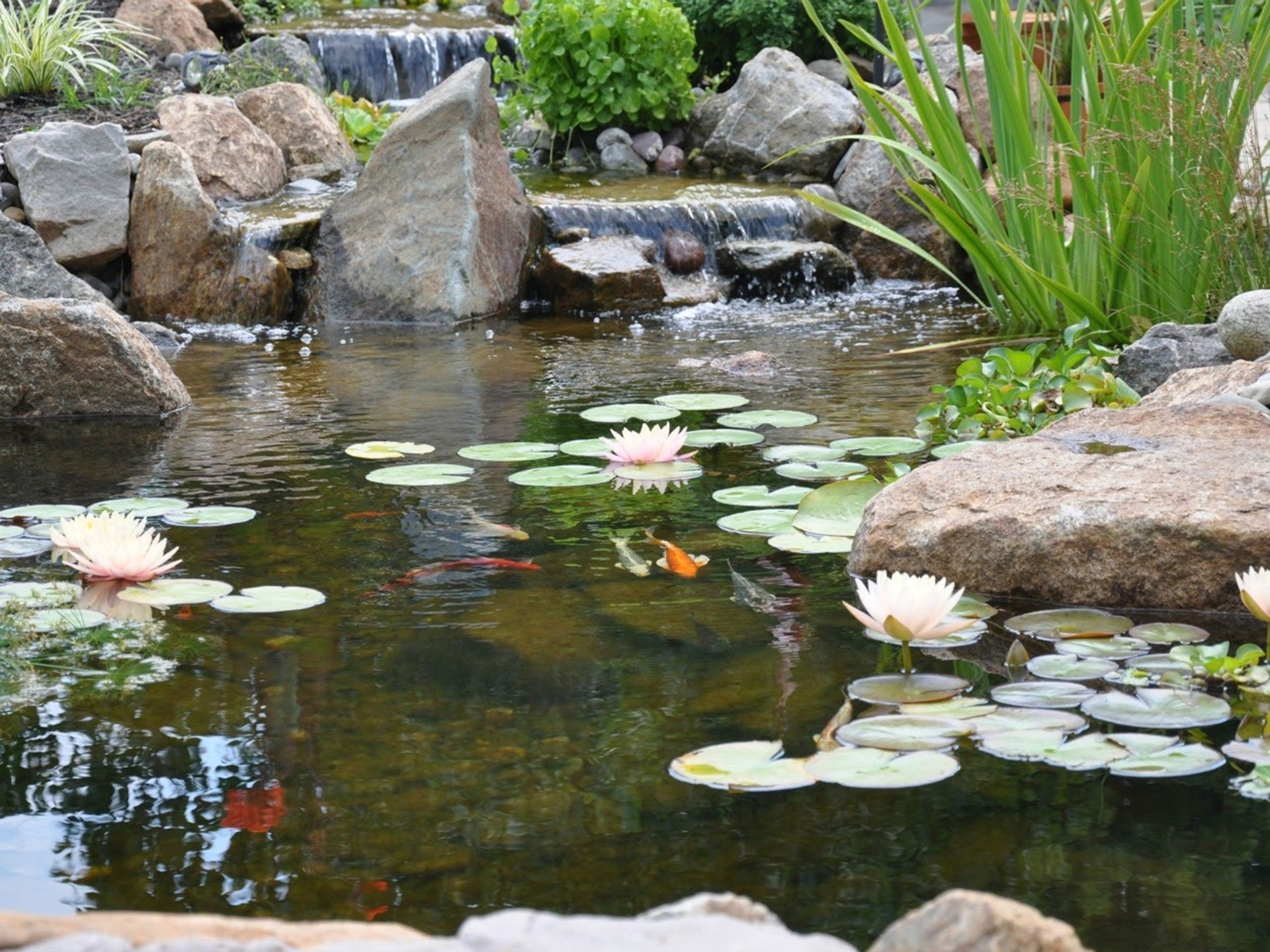
The swimming zone is kept open and clean for recreation. The regeneration zone surrounds or adjoins it and is planted with water lilies, rushes, and submerged vegetation. These plants absorb nutrients and support microorganisms that break down organic waste naturally.

Water circulates between zones via pumps and gravity flow. Mechanical skimmers remove surface debris, while biological processes handle dissolved contaminants. The result is clear, safe water maintained by a balanced ecosystem rather than chemical additives.

What Plants Are Best for Filtration?

Best filtration plants include rushes, reeds, water lilies, and submerged oxygenators that absorb excess nutrients and provide habitat for beneficial microbes.

Rushes and reeds thrive in shallow marginal areas and filter nitrates from runoff. Water lilies shade the water surface, reducing algae growth by blocking sunlight. Submerged plants like hornwort and anacharis release oxygen and compete with algae for nutrients.

Plant selection depends on climate and water depth. Native species adapt best to local conditions and require less maintenance. A diverse plant mix creates a resilient ecosystem that self-regulates water quality throughout the year.

For ongoing care, homeowners can explore pond maintenance services that preserve ecosystem health and water clarity.

Can You Swim Year-Round in Riverside?

Riverside's mild winters allow extended swimming seasons, though water temperatures may require heating or seasonal use depending on personal comfort preferences.

Natural swimming ponds can be enjoyed from late spring through early fall without supplemental heating. Some owners install solar panels or heat pumps to extend the season. The pond's biological system remains active year-round, even if swimming pauses during cooler months.

Unlike chlorinated pools, natural ponds do not require winterization or chemical shutdown. Plants may go dormant, but the ecosystem continues to function at a slower pace, ready to ramp up again when temperatures rise.

What Zoning and Permitting Apply in Riverside?

Riverside County requires building permits for swimming ponds, including site plans, setback compliance, and safety features such as barriers or fencing to meet local codes.

Permit applications typically include pond dimensions, depth specifications, and filtration system details. Setbacks from property lines and structures must be observed. Safety barriers prevent unsupervised access and meet pool safety ordinances, even for natural ponds used for recreation.

Working with experienced designers familiar with Riverside regulations streamlines the approval process and ensures your swimming pond meets all legal and safety requirements from the start.

Columbia Water Gardens designs natural swimming ponds that blend recreation with sustainable water management. Our team handles permitting, construction, and planting to create a beautiful, chemical-free swimming experience. Request your consultation by calling 888-713-7771.

By Columbia Water Gardens November 24, 2025
Learn how custom water fountain installation in Murrieta, CA adds decorative and functional elements to residential and commercial outdoor spaces.
By Columbia Water Gardens November 24, 2025
Explore professional waterfall installation in Temecula, CA to enhance landscape aesthetics and create natural water circulation for your outdoor space.
By Columbia Water Gardens November 24, 2025
Discover custom koi pond construction in Beaumont, CA with proper filtration, liner installation, and fish-safe environments for lasting sustainability.
By Carl Petite October 10, 2025
By Carl Petite August 11, 2025
By Carl Petite May 23, 2025
We sometimes get calls about fish health. Please read this article if your pond is experiencing fish loss. It may explain a lot.
By Carl Petite April 28, 2025
Top 10 Plants to Transform Your Southern California Koi Pond Creating the perfect environment for your koi requires more than just clean water and quality food. The plants surrounding your pond play a crucial role in establishing a balanced ecosystem while adding beauty and interest to your outdoor space. In Southern California's Mediterranean climate, selecting the right plants can mean the difference between constant maintenance and a self-sustaining paradise.
By Carl Petite April 22, 2025
Working with nature, not against it.
By Carl Petite April 14, 2025
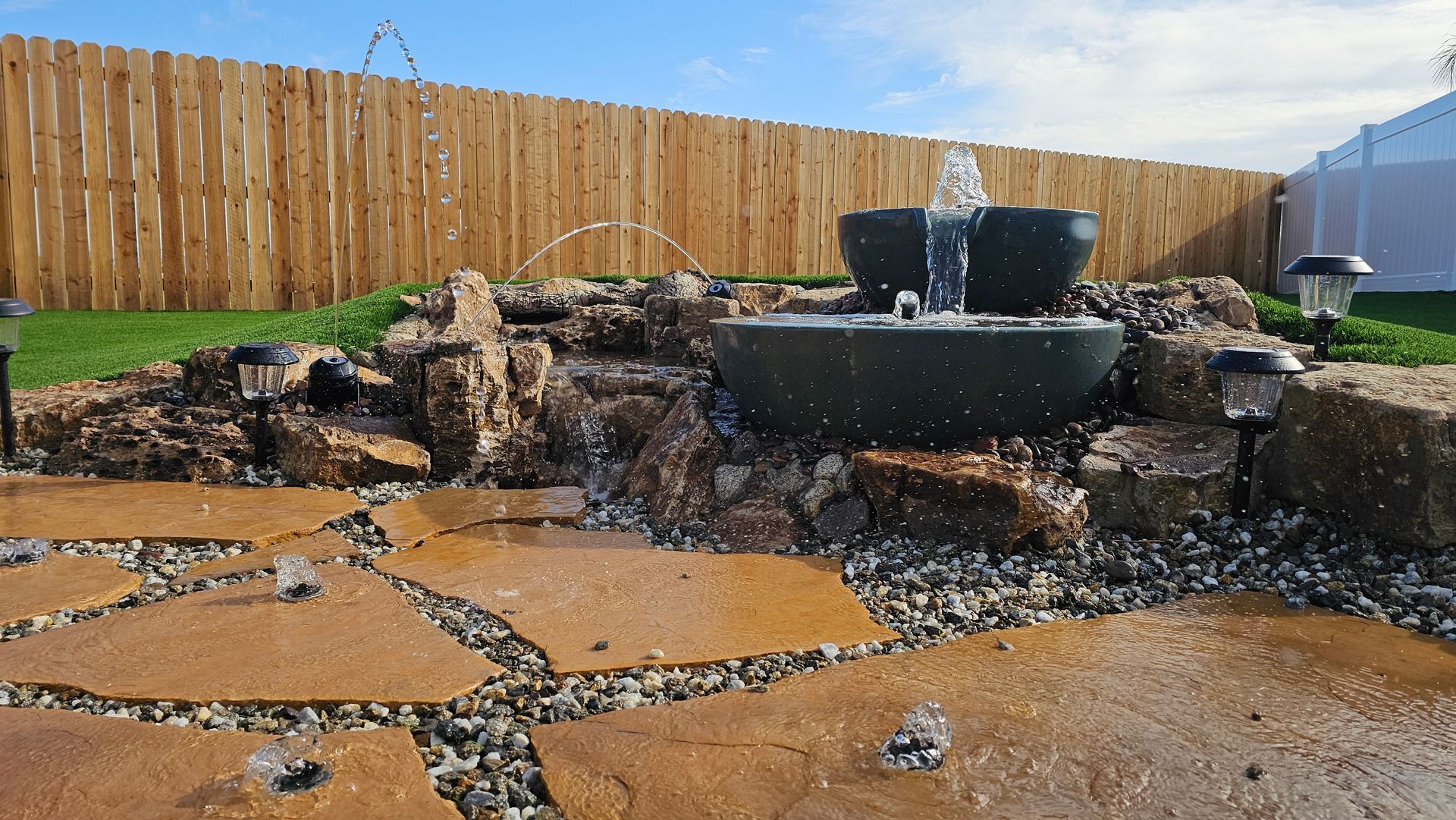
This is a heartwarming project for us. We received the call for a waterfall consultation and met with the client that afternoon. As always, I ask a lot of questions, take many pictures, and try to catch the client’s vision. But what unfolded was more than I ever could have expected. A very important part of our sales process is making sure all the decision makers are present during the consultation. That ensures that we have a clear picture of what is to be installed in the budget that the client can afford. But when I met with the client, she was alone. Ok, that happens, but I didn’t draw attention to that. After all, most of the decisions are made by the wife anyway (I’m in sales mode right now). After talking to her, she volunteered she was a widow. So young to be a widow, I was thinking. It turns out that her husband, a career police officer had died of heart conditions leaving her and their autistic son behind. This is where the story turns even more interesting . It turns out that the autistic son has a fixation on water ! He loves to play and splash in water and her present yard became a mudpit daily. Mud would go everywhere as he would play in the water. On him, the patio, and inside. It was everywhere. So, I hatched the idea to create an aquatic playground that he could splash in, play with water, and most importantly be safe. Here are the components of this project and the thoughtfulness behind everything we did. 1. We created an extra large reservoir to hold the water and the 4 pumps that power this feature. 2. We created an extra large splash pad that extended beyond the water feature to catch splash and protect the play area from falling apart. 3. Spillway bowls. I toyed with several options here from modified resin patio ponds, to large concrete bowls from the local fountain supplier. I settled on the Aquascape spillway bowls as I have installed many of them during my 10 year tenure as a Master Certified Aquascape Contractor – (we are no longer in the CAC program, but that’s not the story I’m telling right now). 4. Small waterfall. The client wanted a small waterfall for her son to play in that had a little pooling area. 5. Fountains. The fountains are very interesting. They have a very low profile on purpose so that the water doesn’t interfere with the play area but he can put his hand on the fountain head and spray the water. These bubblers turned out to be one of his favorite play spots before we added…… 6. Oase Jumping Jets. Sadly, these have been discontinued by Oase. Personally, I can’t imagine why, and I hope the manufacturer replaces them with something cool. Fortunately for the client, they were able to get them – becoming one of the last installations for this product line (for now). Overall, I feel that we did really great with this water feature that offers so much for such a small space. Everything is surrounded by artificial turf to keep mud at bay and locked in with concrete so that it doesn’t fall apart with play time. It got me thinking…. Why wouldn’t someone want a version of this in their yard? Overall project cost came out under $15,000.00 including upgrades, and installation took a little longer than normal due to the amount of plumbing and detail work that went into the project. If we were to re-create this project, I’d expect it to take about 90 man hours plus or minus normal delays. We don’t disclose the exact price because everyone’s access and location for the water feature is different, but I can say that in 2025 we would confidently quote this well under 15k. Figuring our overhead rate of 150.00 per man hour times 90 man hours, that comes to $13,500.00 Adding in the cost of materials such as liner, underlayment, spillway bowls, fountain heads, pumps, plumbing, rocks, concrete, automatic fill valve, and more – I’d say this is a pretty good deal and should cost more. If you would like to see something like this in your yard, reach out to us via the contact form on our website and let’s talk! In the meantime, I hope you enjoyed reading the story behind this project and whether you are a contractor or a homeowner, I hope this has left you inspired to build a water playground like this in your yard. Be sure to leave your comments below and check out the video on this project in our YouTube channel at Columbia Water Gardens. Happy ponding! Carl Petite, Owner Master Pond Builder HERE'S A LINK TO THE YOUTUBE VIDEO!
By Carl Petite April 10, 2025
Dive Into Low-Maintenance Pond Designs: Create Eco-Friendly Water Features with Ease Creating a backyard pond isn't just about aesthetics anymore—it's a chance to bring a slice of nature into your home while embracing sustainable practices. Low-maintenance pond designs are revolutionizing the way homeowners think about water features, offering eco-friendly solutions that minimize upkeep and enhance natural beauty. From living ponds that self-regulate to constructed wetlands that purify water, these innovations are making it easier than ever to create vibrant backyard ecosystems. Picture a serene water feature that not only looks stunning but also supports local wildlife and reduces your environmental footprint. Let's explore how you can transform your outdoor space with these inspiring pond trends, and why now is the perfect time to dive into the world of modern pond keeping. Embracing Low-Maintenance Pond Designs Low-maintenance pond designs are revolutionizing backyard water features, offering beauty without the burden of constant upkeep. These innovative approaches focus on creating self-sustaining ecosystems that require minimal intervention. Natural Filtration Systems Natural filtration systems are the cornerstone of low-maintenance pond designs. These systems harness the power of nature to keep water clean and clear without relying heavily on mechanical filters or chemical treatments. Beneficial bacteria play a crucial role in these systems, breaking down organic matter and converting harmful compounds into nutrients that plants can use. This process, known as the nitrogen cycle, is essential for maintaining water quality. Aquatic plants are another key component, acting as living filters by absorbing excess nutrients and oxygenating the water. Species like water lilies, cattails, and rushes not only purify the water but also provide habitat for beneficial microorganisms. Strategically placed rocks and gravel create biological filtration areas where beneficial bacteria can thrive. These natural elements also help to trap debris and sediment, further clarifying the water. Columbia Water Gardens specializes in designing and implementing these natural filtration systems, ensuring your pond remains healthy with minimal effort. Regeneration Zones and Their Benefits Regeneration zones are shallow areas within a pond ecosystem specifically designed to support a dense population of aquatic plants. These zones play a vital role in maintaining water quality and supporting overall pond health. The primary function of regeneration zones is to filter and purify water as it circulates through the pond. As water flows through these plant-rich areas, excess nutrients are absorbed, and pollutants are broken down by beneficial bacteria living on plant roots. These zones also provide essential habitat for various aquatic organisms, from microscopic beneficial bacteria to larger creatures like frogs and dragonflies. This biodiversity contributes to a more balanced and resilient ecosystem. Aesthetically, regeneration zones add depth and interest to pond designs, creating a natural transition between water and land. They can be customized to suit different design preferences, from lush, jungle-like areas to more manicured, formal appearances. By incorporating regeneration zones, pond owners can significantly reduce the need for chemical treatments and frequent maintenance, as showcased in many Columbia Water Gardens projects. The Rise of Naturalistic Pond Aesthetics The trend towards naturalistic pond aesthetics is transforming backyard water features into seamless extensions of the surrounding landscape. This approach focuses on creating ponds that look and function like natural water bodies. Integrating Native Elements Integrating native elements is crucial in creating a naturalistic pond that blends harmoniously with its environment. This approach not only enhances the aesthetic appeal but also supports local ecosystems. Locally-sourced rocks and stones form the foundation of a natural-looking pond. These elements can be used to create realistic shorelines, waterfalls, and underwater structures that mimic natural formations. The key is to arrange them in a way that appears random yet purposeful. Native aquatic plants are essential for achieving an authentic look. Species that naturally occur in your region will thrive with minimal care and provide habitat for local wildlife. Arrange plants in natural-looking groupings, varying heights and textures for a more organic appearance. Consider the surrounding landscape when designing your pond. Incorporate elements that echo the natural features of your area, whether it's a rocky mountain stream or a tranquil woodland pool. This attention to detail creates a cohesive look that feels like it has always been part of the landscape. Columbia Water Gardens specializes in creating these naturalistic designs, ensuring each pond is a unique reflection of its environment. Designing for Biodiversity Designing for biodiversity is a key aspect of naturalistic pond aesthetics, creating a thriving ecosystem that supports a wide range of flora and fauna. This approach not only enhances the visual appeal but also contributes to local conservation efforts. Varied water depths are essential for supporting different species. Shallow areas provide spawning grounds for amphibians and habitat for marginal plants, while deeper zones offer refuge for fish and diving birds. Creating a gradual slope from the shore to the deepest point mimics natural water bodies and allows easy access for wildlife. Incorporate a mix of aquatic plant types to create diverse habitats. Include submerged plants for oxygenation, floating plants for shade, and emergent plants for shelter and nesting sites. This variety supports a range of aquatic life and creates a more complex, interesting ecosystem. Consider adding features like logs, rocks, or small islands to provide basking spots for turtles or perches for birds. These elements add visual interest while serving important ecological functions. By focusing on biodiversity, your pond becomes a valuable resource for local wildlife, contributing to the overall health of your local ecosystem. Columbia Water Gardens' YouTube channel offers excellent tutorials on creating these biodiverse pond environments. Dynamic Water Features Enhancing Pond Experiences Dynamic water features are transforming static ponds into engaging, multi-sensory experiences. These elements add movement, sound, and visual interest, creating focal points that draw people into the outdoor space. Benefits of Moving Water Moving water in pond designs offers numerous benefits, enhancing both the aesthetic appeal and ecological health of the water feature. The addition of waterfalls, streams, or fountains can dramatically transform a pond's atmosphere. The sound of moving water creates a soothing ambiance, masking unwanted noise and promoting a sense of tranquility. This auditory element can turn your backyard into a peaceful retreat, perfect for relaxation or meditation. Oxygenation is a crucial benefit of moving water. As water moves and splashes, it incorporates oxygen, which is vital for aquatic life. This increased oxygen level supports healthier fish populations and promotes the growth of beneficial bacteria. Visually, moving water adds dynamism to the pond landscape. The play of light on rippling water surfaces creates ever-changing patterns, while waterfalls or fountains serve as eye-catching focal points. Temperature regulation is another advantage. Moving water helps to distribute heat more evenly throughout the pond, preventing stagnant areas and reducing algae growth. Columbia Water Gardens expertly incorporates these dynamic elements to maximize both the aesthetic and functional benefits of moving water in pond designs. Technological Advances in Water Features Technological advances have revolutionized water features, offering unprecedented control, efficiency, and customization options for pond owners. These innovations enhance both the functionality and enjoyment of backyard water features. Smart pump systems now allow for remote control and monitoring of water flow. Pond owners can adjust flow rates, set schedules, and even receive maintenance alerts through smartphone apps, ensuring optimal performance with minimal effort. LED lighting technology has transformed nighttime pond experiences. Energy-efficient, long-lasting LEDs can be programmed to change colors, intensity, and patterns, creating dynamic lighting effects that enhance the pond's beauty after dark. Advanced filtration systems incorporate UV sterilization and bio-mechanical processes, maintaining crystal-clear water with less maintenance. These systems can often be integrated with smart home technology for seamless operation. 3D design software enables precise planning and visualization of water features before construction begins. This technology allows for more accurate estimates and helps clients better understand the final product. Eco-friendly innovations like solar-powered pumps and rainwater harvesting systems are making ponds more sustainable. These technologies reduce energy consumption and conserve water, aligning with modern environmental concerns. For more insights on cutting-edge pond technologies, visit Columbia Water Gardens' YouTube channel for informative videos and demonstrations. Wildlife-Centric Pond Development Wildlife-centric pond development focuses on creating water features that not only beautify outdoor spaces but also serve as vital habitats for local fauna. This approach aligns with growing environmental awareness and the desire to support biodiversity in our backyards. Creating Habitats for Native Species Creating habitats for native species in your pond design is a rewarding way to support local ecosystems and enhance biodiversity. These thoughtfully designed environments provide essential resources for a variety of wildlife. Water depth variation is crucial in habitat creation. Include shallow areas for wading birds and amphibians, as well as deeper zones for fish and aquatic insects. Gentle slopes allow easy access for animals entering and exiting the water. Native aquatic plants play a vital role in wildlife habitats. They provide food, shelter, and breeding grounds for various species. Include a mix of submerged, floating, and emergent plants to cater to different wildlife needs. Incorporate structural elements like logs, rocks, or brush piles near the pond's edge. These features offer shelter and basking spots for creatures like turtles, frogs, and beneficial insects. Consider the surrounding landscape when designing your wildlife pond. Create corridors of native plants that connect the pond to other natural areas, facilitating wildlife movement and expanding the habitat's reach. Columbia Water Gardens specializes in creating these wildlife-friendly pond environments, ensuring your water feature becomes a thriving ecosystem. Designing for Backyard Biodiversity Designing for backyard biodiversity transforms your pond into a vibrant ecosystem, supporting a wide range of plant and animal life. This approach not only enhances the ecological value of your outdoor space but also creates a constantly changing, fascinating environment to observe. Start by incorporating a variety of habitats within and around your pond. Include areas of open water, dense vegetation, and transitional zones. This diversity allows different species to find their niche within the ecosystem. Choose plants that provide food sources throughout the year. Berry-producing shrubs, nectar-rich flowers, and seed-bearing plants attract and sustain various wildlife species across seasons. Create microhabitats within your pond design . Small islands, shallow gravel areas, and submerged branches offer specialized environments for different creatures, from nesting birds to spawning fish. Avoid using chemicals in and around your pond. Opt for natural pest control methods and organic fertilizers to maintain a healthy environment for all inhabitants. Provide supplementary features like bird baths, bee hotels, or butterfly puddles to further enhance biodiversity. These additions complement your pond and create a comprehensive wildlife-friendly space. For expert guidance on creating biodiverse pond ecosystems, check out the resources available on Columbia Water Gardens' website. Strategic Lighting Transforming Nighttime Pond Experiences Strategic lighting can dramatically transform the nighttime ambiance of your pond, extending its beauty and functionality well after sunset. Thoughtful illumination enhances safety, highlights key features, and creates a magical atmosphere in your outdoor space. Energy-Efficient Lighting Solutions Energy-efficient lighting solutions are revolutionizing the way we illuminate ponds at night, offering stunning visual effects while minimizing environmental impact and energy costs. These modern lighting options provide versatility and longevity that traditional systems can't match. LED lighting is at the forefront of this revolution. These lights consume significantly less energy than traditional bulbs while providing bright, clear illumination. LEDs also have an impressively long lifespan, reducing the need for frequent replacements. Solar-powered lighting systems are gaining popularity for their eco-friendly approach. These lights harness solar energy during the day to power nighttime illumination, making them an excellent choice for areas without easy access to electrical outlets. Smart lighting systems offer unprecedented control over your pond's nighttime appearance. With programmable settings, you can adjust brightness, color, and timing to create dynamic lighting effects or mimic natural moonlight. Low-voltage lighting systems provide a safe and energy-efficient option for pond illumination. These systems are easy to install and maintain, making them ideal for DIY enthusiasts. Columbia Water Gardens offers expert advice on selecting and installing energy-efficient lighting solutions that enhance your pond's nighttime beauty while keeping energy consumption in check. Enhancing Pond Aesthetics After Dark Enhancing pond aesthetics after dark through strategic lighting can transform your water feature into a captivating nighttime focal point. Well-planned illumination not only showcases the beauty of your pond but also creates a magical atmosphere in your outdoor space. Underwater lighting is key to bringing your pond to life at night. Submersible LED lights can highlight underwater features, create shimmering effects on the water's surface, and even illuminate fish as they swim by. Position lights to create depth and avoid harsh glare. Accent lighting around the pond's perimeter can draw attention to key landscape features like ornamental grasses, rocks, or statuary. Use spotlights or well lights to create dramatic shadows and highlight textures. Path lighting serves both aesthetic and functional purposes. Soft, downward-facing lights along walkways ensure safety while adding a warm glow to the pond area. Consider using fixtures that blend with your landscape design. Color-changing LED systems offer the flexibility to create different moods. Warm whites can create a cozy atmosphere, while cool blues can evoke a sense of tranquility. Experiment with colors to find the perfect ambiance for your space. For professional guidance on creating stunning nighttime pond lighting, visit Columbia Water Gardens for expert consultations and installation services. Happy Ponding! Carl Petite, Master Pond Builder