
Common Koi and Pond Fish Health Problems
🐟 Top 10 Reasons Koi Fish Die in Ponds
Expert Prevention Guide to Keep Your Koi Healthy and Thriving
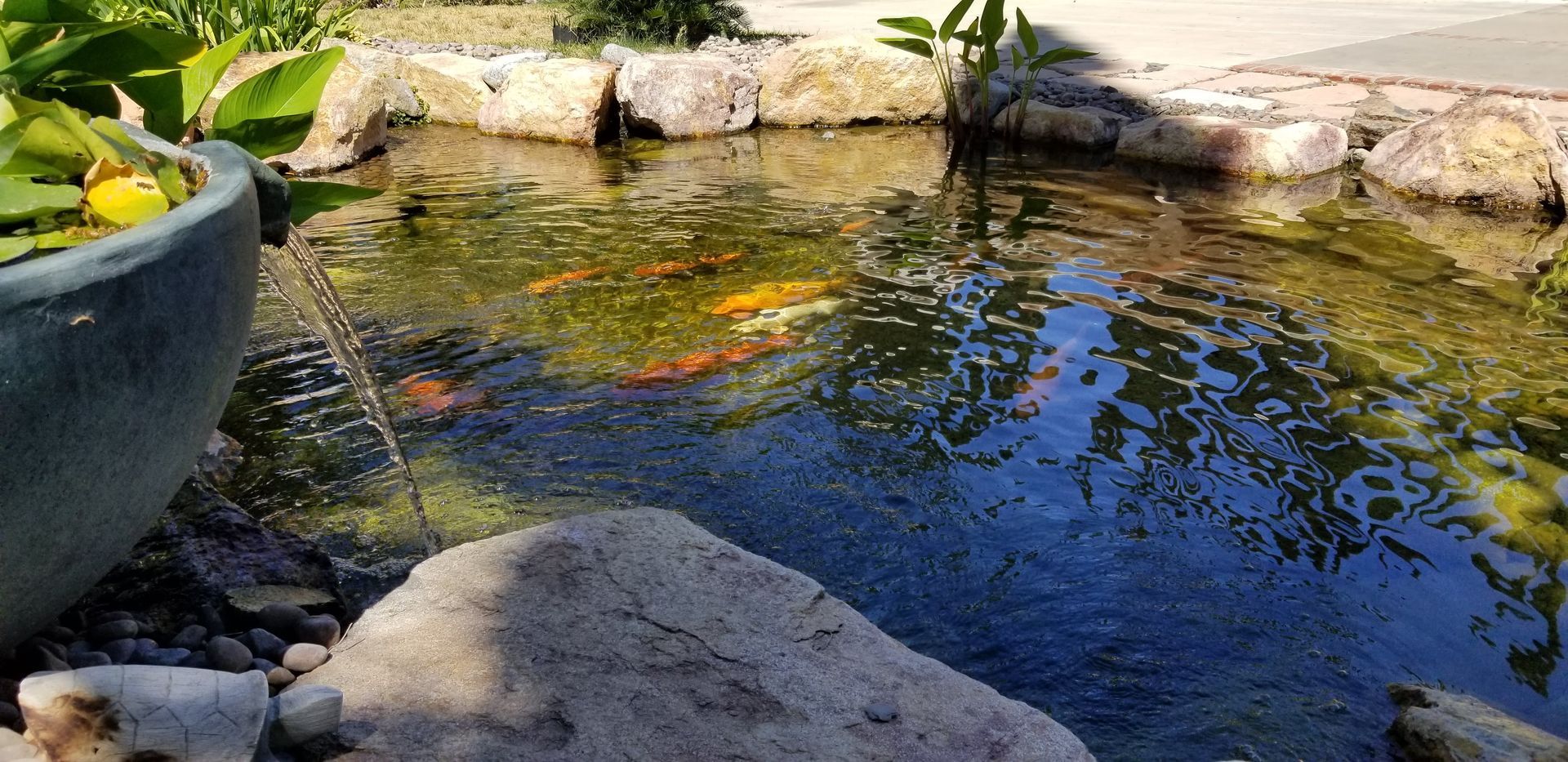
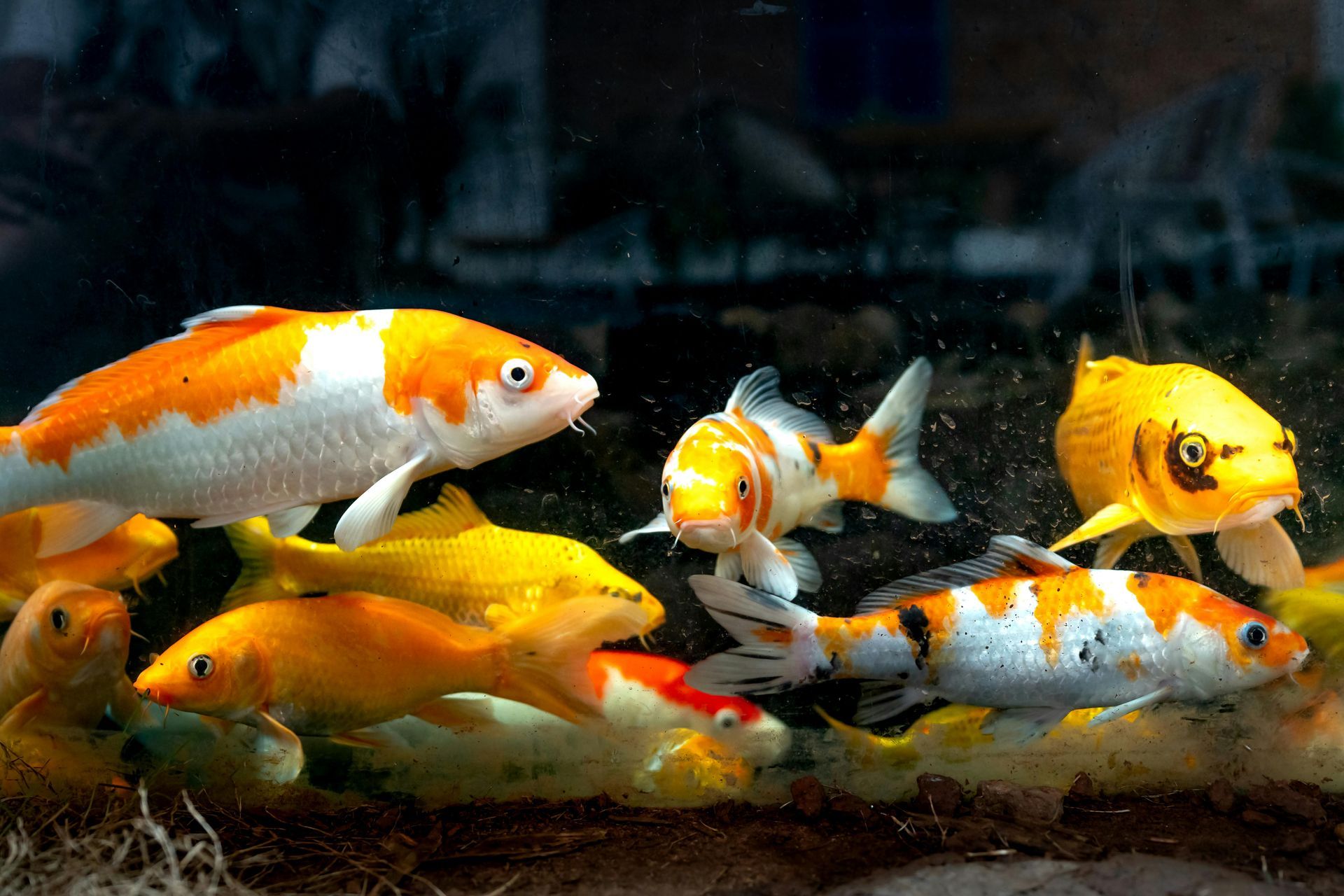
Koi fish are stunning, long-lived companions that can grace your pond for decades when properly cared for. However, many koi owners experience the heartbreak of unexplained fish deaths. Understanding the common causes of koi mortality is crucial for maintaining a healthy pond ecosystem and protecting your valuable fish investment.
Poor Water Quality and Ammonia Poisoning
Poor water quality is the leading cause of koi death worldwide. Ammonia buildup from fish waste, uneaten food, and decaying organic matter creates a toxic environment that burns koi gills and damages their organs.
Oxygen Depletion and Poor Aeration
Koi require high oxygen levels to survive. Hot weather, overstocking, and lack of water movement can rapidly deplete dissolved oxygen, leading to fish kills, especially during summer nights when plants consume oxygen.
Temperature Shock and Rapid Changes
Koi are cold-blooded and sensitive to rapid temperature changes. Sudden shifts of more than 5°F can stress their immune system, making them vulnerable to disease and potentially causing death.
Herbicide and Pesticide Contamination
Herbicides and pesticides from lawn treatments, agricultural runoff, or direct application near ponds are highly toxic to koi fish. Even small amounts can cause immediate death or long-term health problems affecting their liver, gills, and nervous system.
Bacterial Infections and Disease
Bacterial infections like Aeromonas and Pseudomonas thrive in poor water conditions and can quickly spread through a koi population. These infections cause ulcers, fin rot, and systemic illness.
Parasitic Infestations
Parasites like ich, flukes, anchor worms, and fish lice can overwhelm koi, especially when stressed or in poor water conditions. Heavy infestations can be fatal if left untreated.
Overfeeding and Digestive Issues
Overfeeding leads to water quality problems and can cause fatal digestive blockages in koi. Uneaten food rots, producing toxins and depleting oxygen levels.
Predator Attacks and Physical Trauma
Herons, raccoons, cats, and other predators can injure or kill koi. Even unsuccessful attacks can cause fatal stress or infected wounds.
Viral Diseases (KHV, SVC)
Koi Herpesvirus (KHV) and Spring Viremia of Carp (SVC) are highly contagious viral diseases that can wipe out entire koi populations. These diseases are often introduced by new, unquarantined fish.
Old Age and Natural Causes
While koi can live for decades, older fish naturally become more susceptible to disease and environmental stress. Age-related deaths are normal in well-established populations.
🛡️ Protecting Your Koi Investment
Most koi deaths are preventable through proper pond management, regular water testing, and vigilant observation. The key to successful koi keeping lies in maintaining stable, high-quality water conditions and preventing problems before they occur.
Essential Koi Care Checklist:
Test water parameters weekly, maintain proper filtration and aeration, quarantine new fish, feed appropriately, protect from predators and chemicals, and observe daily for behavioral changes. Remember, healthy koi in optimal conditions can live for generations, making proper care a worthwhile investment in these magnificent fish.

Pond Cleanouts and why January and February are the best times to get it done in Southern California