Green Water and Rain - The connection

Carl Petite • April 10, 2025

Can a rainstorm cause an algae bloom?

From Lightning to Algae Blooms: Exploring the Nitrogen Cycle's Impact on Pond Maintenance

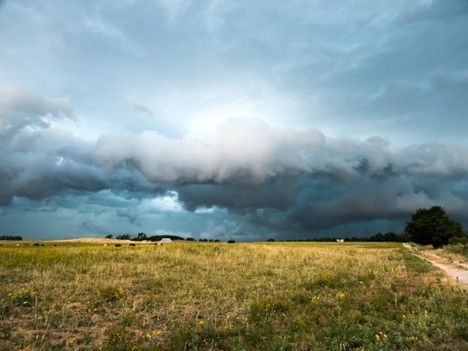
When dark clouds roll in and rain starts to pour, there's more happening than just a change in weather—it's a dance of elements that impacts gardens and ponds alike. Hidden within those raindrops is a natural process that ties together our atmosphere, plant life, and aquatic ecosystems in fascinating ways. For garden enthusiasts and pond owners, understanding the nitrogen cycle can transform your approach to pond maintenance, especially when thunderstorms are involved. By exploring how nitrogen fixation through lightning affects algae blooms and learning about the role of beneficial bacteria in maintaining water quality, you'll discover how to keep your koi pond thriving. So, let's dive into the interplay of these natural forces and see how they can work to your advantage in creating a vibrant outdoor space.
 
The Nitrogen Cycle and Pond Maintenance
The nitrogen cycle is a fundamental process that plays a crucial role in pond ecosystems. Understanding this cycle is essential for effective pond maintenance and ensuring a healthy environment for aquatic life.
Understanding the Nitrogen Cycle
The nitrogen cycle is a complex biological process that converts various forms of nitrogen in the environment. In ponds, it's particularly important for processing waste and maintaining water quality.

Key stages of the nitrogen cycle include:
1. Ammonia production from fish waste and decaying organic matter
2. Conversion of ammonia to nitrites by Nitrosomonas bacteria
3. Transformation of nitrites to nitrates by Nitrobacter bacteria
4. Uptake of nitrates by plants or conversion back to nitrogen gas
Understanding this cycle helps pond owners maintain a balanced ecosystem and prevent harmful buildup of toxins.

Impact on Water Quality
Water quality in ponds is directly influenced by the efficiency of the nitrogen cycle. A well-functioning cycle helps maintain clear water and a healthy environment for fish and plants.
Indicators of good water quality include:
• Low ammonia and nitrite levels
• Stable pH
• Clear water
• Healthy, active fish
When the nitrogen cycle is disrupted, it can lead to poor water quality, algae blooms, and stressed or sick fish. Regular testing and monitoring are essential to catch issues early.

 
Thunderstorms and Algae Blooms
Thunderstorms can have a significant impact on pond ecosystems, often leading to sudden algae blooms. Understanding this connection can help pond owners better manage their water features during and after stormy weather.
Natural Fertilizer from Rain
Rainwater, especially during thunderstorms, can act as a natural fertilizer for ponds. This phenomenon is due to the nitrogen fixation process that occurs during lightning strikes.
Lightning and nitrogen fixation:
• Lightning breaks apart nitrogen molecules in the air
• These molecules combine with oxygen to form nitrogen oxides
• Nitrogen oxides dissolve in rainwater, creating nitrates
• Nitrate-rich rainwater enters ponds, providing nutrients for algae and plants
While this natural fertilization can benefit terrestrial plants, it can lead to challenges in pond ecosystems, particularly in the form of algae blooms.
Managing Algae Blooms in Ponds
Algae blooms following thunderstorms can be a common issue for pond owners. These sudden growths can impact water clarity and potentially harm fish if left unchecked.
Strategies for managing algae blooms:
1. Increase aeration to promote oxygen circulation
2. Use beneficial bacteria to compete with algae for nutrients
3. Implement mechanical filtration to remove excess algae
4. Consider adding aquatic plants to absorb excess nutrients
It's important to address algae blooms promptly to maintain a healthy pond ecosystem. Regular maintenance and proactive measures can help mitigate the impact of storm-induced algae growth.
Supporting Beneficial Bacteria
Beneficial bacteria are the unsung heroes of pond ecosystems. These microscopic organisms play a vital role in maintaining water quality and supporting a healthy environment for fish and plants.
Enhancing Koi Pond Care
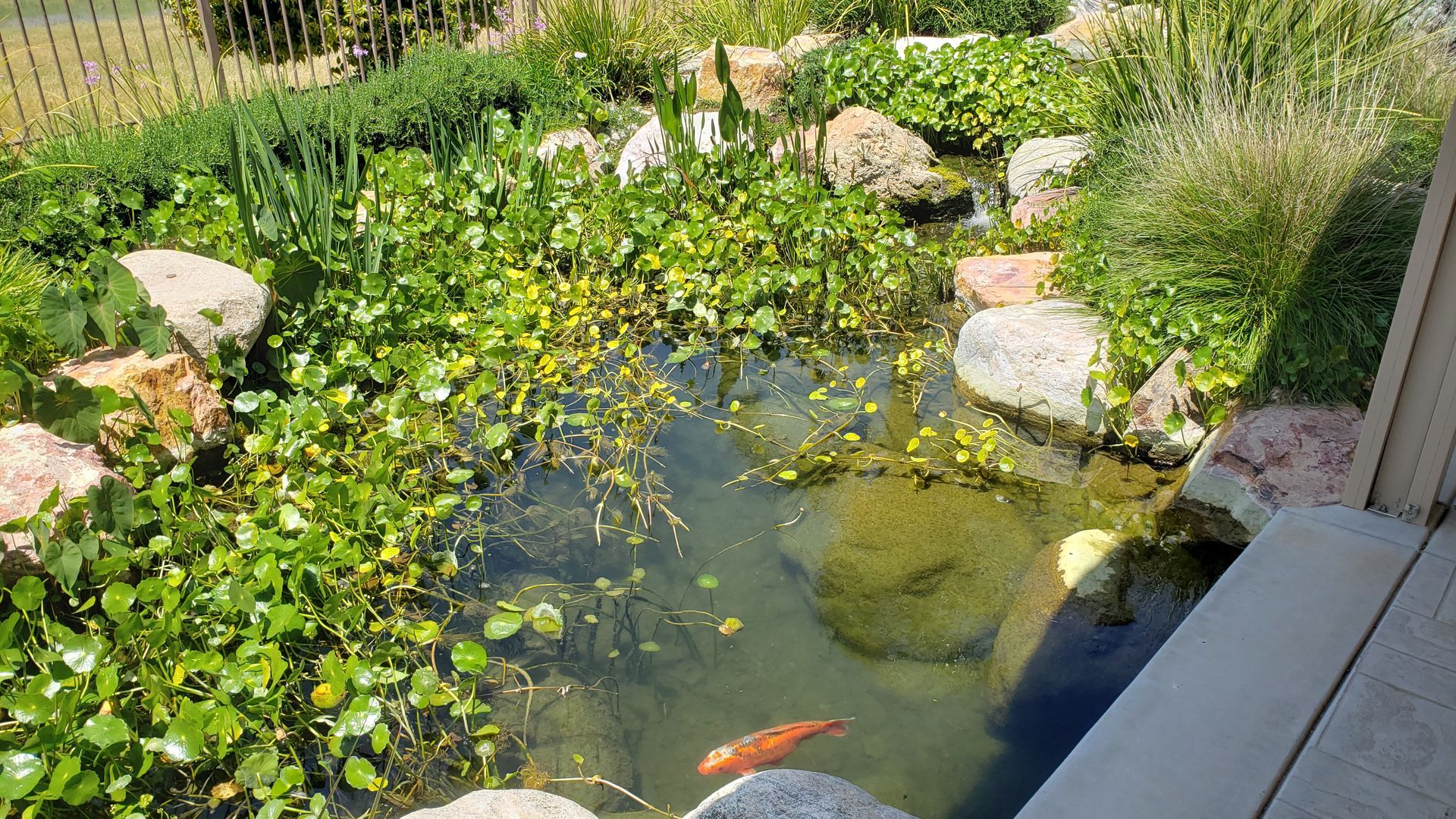
Koi ponds require special attention to maintain optimal conditions for these prized fish. Beneficial bacteria are crucial in processing waste and maintaining water quality.
Benefits of healthy bacterial colonies in koi ponds:
• Efficient breakdown of fish waste and uneaten food
• Reduction of harmful ammonia and nitrite levels
• Improved water clarity
• Enhanced overall pond health
Encouraging the growth of beneficial bacteria can significantly improve koi pond care. This can be achieved through proper filtration, regular maintenance, and the use of bacterial supplements when necessary.
 
Practical Tips for Pond Owners
Pond owners can take several steps to support beneficial bacteria and maintain a healthy ecosystem. These practices contribute to better water quality and a thriving pond environment.
Tips for supporting beneficial bacteria:
• Avoid overfeeding fish to reduce excess waste
• Maintain proper filtration systems
• Regularly remove debris and excess organic matter
• Consider adding bacterial supplements, especially after cleaning or water changes
• Provide adequate surface area for bacteria to colonize (e.g., bio-balls, lava rock)
By following these tips and understanding the importance of the nitrogen cycle, pond owners can create a balanced ecosystem that supports healthy fish, plants, and beneficial bacteria.
 
At Columbia Water Gardens, we understand nature, and how to work with biology - not against it.
Does this blog make sense to you? Have you ever wondered why your pond seems to struggle in the early spring?
We want to help all pond owners with their struggles, and celebrate their victories. Share with us your experience with algae blooms in the spring, and together lets formulate a Plan for success this year!
Happy Ponding!
Carl Petite, Owner, Master Pond Builder


The body content of your post goes here. To edit this text, click on it and delete this default text and start typing your own or paste your own from a different source.
By Columbia Water Gardens December 1, 2025
Discover natural swimming pond design in Riverside, CA that combines recreation with biological filtration and aquatic plant ecosystems for chemical-free swimming.
By Columbia Water Gardens November 24, 2025
Learn how custom water fountain installation in Murrieta, CA adds decorative and functional elements to residential and commercial outdoor spaces.
By Columbia Water Gardens November 24, 2025
Explore professional waterfall installation in Temecula, CA to enhance landscape aesthetics and create natural water circulation for your outdoor space.
By Columbia Water Gardens November 24, 2025
Discover custom koi pond construction in Beaumont, CA with proper filtration, liner installation, and fish-safe environments for lasting sustainability.
By Carl Petite October 10, 2025
By Carl Petite August 11, 2025
By Carl Petite May 23, 2025
We sometimes get calls about fish health. Please read this article if your pond is experiencing fish loss. It may explain a lot.
By Carl Petite April 28, 2025
Top 10 Plants to Transform Your Southern California Koi Pond Creating the perfect environment for your koi requires more than just clean water and quality food. The plants surrounding your pond play a crucial role in establishing a balanced ecosystem while adding beauty and interest to your outdoor space. In Southern California's Mediterranean climate, selecting the right plants can mean the difference between constant maintenance and a self-sustaining paradise.
By Carl Petite April 22, 2025
Working with nature, not against it.
By Carl Petite April 14, 2025
This is a heartwarming project for us. We received the call for a waterfall consultation and met with the client that afternoon. As always, I ask a lot of questions, take many pictures, and try to catch the client’s vision. But what unfolded was more than I ever could have expected. A very important part of our sales process is making sure all the decision makers are present during the consultation. That ensures that we have a clear picture of what is to be installed in the budget that the client can afford. But when I met with the client, she was alone. Ok, that happens, but I didn’t draw attention to that. After all, most of the decisions are made by the wife anyway (I’m in sales mode right now). After talking to her, she volunteered she was a widow. So young to be a widow, I was thinking. It turns out that her husband, a career police officer had died of heart conditions leaving her and their autistic son behind. This is where the story turns even more interesting . It turns out that the autistic son has a fixation on water ! He loves to play and splash in water and her present yard became a mudpit daily. Mud would go everywhere as he would play in the water. On him, the patio, and inside. It was everywhere. So, I hatched the idea to create an aquatic playground that he could splash in, play with water, and most importantly be safe. Here are the components of this project and the thoughtfulness behind everything we did. 1. We created an extra large reservoir to hold the water and the 4 pumps that power this feature. 2. We created an extra large splash pad that extended beyond the water feature to catch splash and protect the play area from falling apart. 3. Spillway bowls. I toyed with several options here from modified resin patio ponds, to large concrete bowls from the local fountain supplier. I settled on the Aquascape spillway bowls as I have installed many of them during my 10 year tenure as a Master Certified Aquascape Contractor – (we are no longer in the CAC program, but that’s not the story I’m telling right now). 4. Small waterfall. The client wanted a small waterfall for her son to play in that had a little pooling area. 5. Fountains. The fountains are very interesting. They have a very low profile on purpose so that the water doesn’t interfere with the play area but he can put his hand on the fountain head and spray the water. These bubblers turned out to be one of his favorite play spots before we added…… 6. Oase Jumping Jets. Sadly, these have been discontinued by Oase. Personally, I can’t imagine why, and I hope the manufacturer replaces them with something cool. Fortunately for the client, they were able to get them – becoming one of the last installations for this product line (for now). Overall, I feel that we did really great with this water feature that offers so much for such a small space. Everything is surrounded by artificial turf to keep mud at bay and locked in with concrete so that it doesn’t fall apart with play time. It got me thinking…. Why wouldn’t someone want a version of this in their yard? Overall project cost came out under $15,000.00 including upgrades, and installation took a little longer than normal due to the amount of plumbing and detail work that went into the project. If we were to re-create this project, I’d expect it to take about 90 man hours plus or minus normal delays. We don’t disclose the exact price because everyone’s access and location for the water feature is different, but I can say that in 2025 we would confidently quote this well under 15k. Figuring our overhead rate of 150.00 per man hour times 90 man hours, that comes to $13,500.00 Adding in the cost of materials such as liner, underlayment, spillway bowls, fountain heads, pumps, plumbing, rocks, concrete, automatic fill valve, and more – I’d say this is a pretty good deal and should cost more. If you would like to see something like this in your yard, reach out to us via the contact form on our website and let’s talk! In the meantime, I hope you enjoyed reading the story behind this project and whether you are a contractor or a homeowner, I hope this has left you inspired to build a water playground like this in your yard. Be sure to leave your comments below and check out the video on this project in our YouTube channel at Columbia Water Gardens. Happy ponding! Carl Petite, Owner Master Pond Builder HERE'S A LINK TO THE YOUTUBE VIDEO!